


BECOMING A PILOT · MEDICAL REQUIREMENTS · Reviewed October 2026
Airline Pilot Medical Requirements: Class 1 Medical Explained
What are the medical requirements to become an airline pilot? If you’re considering a career as a commercial pilot, obtaining the appropriate aviation medical certificate is one of the most important steps you should take before investing substantial money in flight training.
In the UK and European aviation licensing systems, professional airline pilots normally require a Class 1 Medical Certificate. This confirms that the pilot meets the medical standards necessary to exercise the privileges of a Commercial Pilot Licence (CPL), Multi-Crew Pilot Licence (MPL) or Airline Transport Pilot Licence (ATPL).
The examination assesses your eyesight, colour vision, hearing, cardiovascular health, respiratory function, medical history and other aspects of your physical and mental fitness. However, the requirements are not simply a matter of being in perfect health. Many medical conditions can be assessed individually, and some applicants may qualify with corrective lenses, additional monitoring or specific operational restrictions.
This guide explains what happens during a Class 1 medical examination, the standards you need to meet, how existing medical conditions are assessed, how much the examination costs and how often it needs renewing. We also explain the differences between UK CAA, EASA, FAA and other international aviation medical requirements.
The Short Answer: What Medical Do You Need to Be an Airline Pilot?
In the UK and EASA states, you normally need a valid Class 1 Medical Certificate to exercise professional airline pilot privileges. In the United States, airline transport pilots generally need an FAA First-Class Medical Certificate.
For UK applicants, the initial Class 1 examination must be carried out at a UK CAA-authorised Aeromedical Centre (AeMC). It normally takes up to four hours and includes a comprehensive review of your medical history and several medical assessments.
You do not need perfect uncorrected eyesight, exceptional physical fitness or a completely clear medical history. However, you must satisfy the applicable aviation medical standards, and certain conditions or medications may require further assessment or prevent certification.
Our most important recommendation: If your ambition is to become a professional airline pilot, obtain your initial Class 1 medical assessment before committing to expensive commercial flight training. Passing a Class 2 medical for private flying does not guarantee that you will meet Class 1 requirements.
What Is the Difference Between a Class 1 and Class 2 Pilot Medical?
Aviation authorities use different classes or categories of medical certification depending on the type of flying and professional privileges involved. In general, professional airline flying requires a more comprehensive medical standard than recreational flying.
In the UK, the main medical certificate categories are:
| Medical Certificate | Typical Licence / Purpose | Main Considerations |
|---|---|---|
| Class 1 Medical | CPL, MPL and ATPL professional pilot privileges. | Comprehensive medical standards. Initial examination at an authorised Aeromedical Centre. |
| Class 2 Medical | Private Pilot Licence (PPL) and certain other flying privileges. | Different medical standards and validity periods. Not sufficient for normal professional airline pilot privileges. |
| LAPL Medical | Relevant light aircraft pilot privileges. | Standards appropriate to the relevant light aircraft licence and privileges. |
| Pilot Medical Declaration | Certain permitted UK recreational flying activities. | Subject to specific eligibility and operational limitations. Not a substitute for a professional Class 1 medical. |
The type of medical required depends on your licence and the privileges you intend to exercise. Some private flying activities have alternative medical arrangements, but these do not remove the Class 1 requirement for a conventional UK airline pilot career.
Important: You could meet the Class 2 medical standards and obtain a PPL, but subsequently discover a condition which prevents you from obtaining a Class 1 certificate. This is why investigating your Class 1 eligibility early is so important.
How Do You Get a Class 1 Pilot Medical in the UK?
If you are applying for your first UK Class 1 medical certificate, you must undergo your initial examination at an Aeromedical Centre (AeMC) authorised by the UK Civil Aviation Authority.
An ordinary GP appointment or a routine occupational medical cannot replace this assessment. Equally, not every aviation medical examiner is authorised to perform an initial Class 1 examination.
Step 1: Find an Approved Aeromedical Centre
The UK CAA maintains information about authorised Aeromedical Centres and how to arrange an examination. You should contact the centre directly to confirm appointment availability, pricing and what documentation you need.
Find a UK CAA-approved Class 1 Aeromedical Centre →
Step 2: Complete the Application and Medical History
UK applicants use the CAA’s medical records system, Cellma, accessed through the CAA customer portal. You must complete the relevant application and medical history information before your examination.
The application includes questions about current and previous medical conditions, hospital treatment, prescribed medication, previous aviation medical assessments and any history of being assessed as medically unfit.
It is important to answer these questions accurately and completely, including conditions you may consider minor or fully resolved.
Step 3: Attend the Medical Examination
The initial examination normally takes up to four hours, although the total appointment time may vary between centres.
During the appointment, you will undergo the appropriate medical tests, discuss your medical history and be assessed against the Class 1 medical standards.
Step 4: Receive the Aeromedical Assessment
If you meet all the requirements and no further investigations are needed, a certificate may be issued on the same day.
However, some applicants require additional tests, specialist reports or review by a CAA medical assessor before a decision can be reached.
This can delay the issue of the certificate, but it does not automatically mean you have failed the examination.
What Should You Take to Your Initial Medical?
- Photographic identification and any documents requested by the Aeromedical Centre.
- Details of your medical history, including relevant previous diagnoses and operations.
- A list of current prescribed and non-prescribed medications.
- Your latest optician’s report if you wear glasses or contact lenses.
- Relevant hospital, consultant or specialist reports if requested.
- Information about previous aviation medical assessments, where applicable.
- Any additional documents specifically requested when you booked.
If you have a known medical condition, contact the Aeromedical Centre before your appointment. This may help avoid delays by ensuring that the correct reports or other information are available.
What Happens During an Airline Pilot Class 1 Medical Examination?
The examination is designed to assess whether you can safely perform the duties of a professional pilot without an unacceptable risk of illness, impairment or incapacitation.
It covers several different areas of physical and mental health rather than relying on a single test.
| Assessment | What Is Checked? | Why It Matters |
|---|---|---|
| Medical History | Previous illness, hospital admissions, operations, diagnoses, medications and relevant family history. | Identifies conditions which may require further investigation or monitoring. |
| Eyesight | Distance and near vision, correction, eye health and other visual functions. | Pilots must see instruments, external references and other operational information clearly. |
| Colour Vision | Colour perception using the Ishihara test and, where indicated, further approved testing. | Pilots must reliably identify safety-relevant colours. |
| Hearing | Audiometry and the ability to hear and understand relevant sounds and speech. | Effective communication and recognition of audible information are essential. |
| Cardiovascular Health | Blood pressure, pulse, heart health and electrocardiogram (ECG). | Assesses cardiovascular function and risks such as certain abnormal heart rhythms. |
| Respiratory Function | Breathing, lung function and relevant respiratory conditions. | Assesses the ability to tolerate the demands of aviation without significant respiratory impairment. |
| Blood and Urine Tests | Haemoglobin, relevant metabolic markers and urine abnormalities. | May identify anaemia, abnormal glucose levels and other conditions requiring investigation. |
| General Physical Examination | Physical health, neurological function, movement and relevant body systems. | Confirms the applicant can safely perform required flying duties. |
| Mental Health and Substance Screening | Relevant psychological history and assessment, including required initial substance screening. | Assesses conditions or impairments that could affect judgement, concentration and operational safety. |
The exact tests and their frequency depend on whether this is your first examination or a subsequent renewal, your age and your medical history. Further specialist testing may be required when there is a clinical reason.
What Are the Eyesight Requirements for Airline Pilots?
One of the most common misconceptions is that airline pilots must have perfect natural eyesight. That is not the case. Many professional pilots wear glasses or contact lenses and hold valid Class 1 medical certificates.
What matters is whether your vision, with or without permitted correction, meets the applicable standards and whether your eyes are otherwise medically suitable.
UK Class 1 Eyesight Standards
Under the UK CAA’s Class 1 visual standards, normal distance-vision requirements include:
- Each eye separately: Distance visual acuity of at least 6/9 (approximately 20/30), with or without correction.
- Both eyes together: Distance visual acuity of at least 6/6 (approximately 20/20), with or without correction.
- Near and intermediate vision: Appropriate vision at the required distances for reading instruments, charts and other information.
- Eye health: Satisfactory visual function without a condition that creates an unacceptable flight safety risk.
These are standard requirements. Some visual conditions or refractive errors require additional ophthalmological assessment, and exceptional cases may be considered under the applicable referral provisions.
Can You Become an Airline Pilot if You Wear Glasses?
Yes, provided your corrected eyesight and eye health satisfy the relevant medical requirements. Wearing glasses or contact lenses is not, in itself, a reason to prevent somebody from becoming an airline pilot.
You may receive a medical certificate limitation requiring you to wear appropriate corrective lenses while flying. Where required, pilots must also carry suitable spare spectacles.
What if You Have a Strong Glasses Prescription?
The UK CAA’s standard guidance refers to refractive values including:
- Myopia (short-sightedness) of approximately -6.0 dioptres.
- Hypermetropia (long-sightedness) of approximately +5.0 dioptres.
- Astigmatism of approximately 2.0 dioptres.
- Anisometropia, or significant difference between the eyes, of approximately 2.0 dioptres.
These figures should not be interpreted as absolute automatic disqualification thresholds. The UK CAA provides referral procedures for applicants exceeding certain limits, and an individual may still be assessed as fit after satisfactory specialist investigation.
For example, someone with myopia exceeding -6.0 dioptres may require referral to the CAA medical assessor and a detailed ophthalmological assessment.
Can You Be a Pilot After Laser Eye Surgery?
Laser refractive procedures, such as LASIK or PRK, are not automatically incompatible with professional pilot certification.
However, the UK CAA requires appropriate assessment following refractive surgery, including evidence of recovery, stable vision and satisfactory visual function. Problems such as glare, halos or impaired contrast sensitivity can be particularly important.
If you are considering surgery specifically to improve your eligibility for professional flying, seek aviation medical advice before proceeding. An operation is not guaranteed to make you eligible for a Class 1 medical and may introduce new assessment requirements.
More Information About Pilot Eyesight
We’ve prepared a separate guide covering glasses, contact lenses, eyesight prescriptions and other visual requirements: Can You Wear Glasses and Become an Airline Pilot? →
Can You Become an Airline Pilot if You Are Colour Blind?
Colour vision is assessed because pilots need to identify certain colours reliably when interpreting aircraft displays, external lights and operational information.
However, not every form of colour vision deficiency automatically prevents somebody from obtaining a Class 1 medical certificate.
The Ishihara Colour Vision Test
During the initial UK Class 1 medical, applicants undertake an Ishihara colour vision test. This uses specially designed coloured plates to assess the ability to distinguish particular colours.
If you pass the test, no additional colour vision assessment is normally required unless clinically indicated.
If you fail the Ishihara test, this does not automatically mean you cannot become an airline pilot. For a UK Class 1 medical, the case must be referred for further assessment to determine whether you can reliably distinguish the colours required for safe flight.
Further Colour Vision Testing
Further assessment may include specialist testing such as the Colour Assessment and Diagnosis (CAD) test or an appropriate anomaloscope examination.
The UK CAA uses defined standards to determine whether an applicant is considered colour safe. Applicants who do not meet the required standards after further assessment may be found unfit for a Class 1 certificate.
Important: The UK CAA’s current guidance does not accept traditional lantern testing as evidence of being colour safe. Different aviation authorities have different approved assessment procedures, so do not assume that passing a test accepted in one country will satisfy another authority.
For a more detailed explanation, read Can You Be Colour Blind and Become an Airline Pilot?
What Are the Hearing Requirements for Airline Pilots?
Effective hearing is important because pilots must understand air traffic control instructions, communicate with other crew members and recognise relevant audible warnings.
During the Class 1 medical, an audiogram is used to assess hearing sensitivity at different frequencies.
For the standard UK initial Class 1 hearing requirements, the published guidance states that applicants should not have hearing loss exceeding:
- 35 decibels at 500, 1,000 or 2,000 Hz in either ear.
- 50 decibels at 3,000 Hz in either ear.
These are the standard audiometric thresholds. Hearing difficulties or results outside the standard limits may require specialist assessment, including consideration of functional hearing ability where permitted by the applicable rules.
Having some hearing loss does not necessarily result in immediate permanent disqualification. The nature, severity and practical implications of the condition are important.
Applicants with a known hearing problem should discuss it with an appropriately authorised aviation medical examiner before beginning expensive training.
What Medical Conditions Can Prevent You from Becoming an Airline Pilot?
There is no simple list that accurately determines whether every applicant with a particular medical condition can or cannot become an airline pilot.
Some conditions are incompatible with the relevant medical standards, while others can be acceptable when appropriately treated and monitored. The outcome depends on the diagnosis, severity, symptoms, treatment, stability and risk of incapacitation.
The following examples describe how several common medical concerns may affect certification.
| Medical Condition | General Aeromedical Considerations |
|---|---|
| Asthma | Well-controlled asthma may be compatible with certification. Lung function, symptoms, treatment and the risk of attacks may require specialist assessment. |
| High Blood Pressure | Controlled hypertension may be acceptable, depending on cardiovascular health, treatment and side effects. Additional tests or monitoring may be needed. |
| Diabetes | Certification depends on the type of diabetes, treatment, stability and relevant aviation authority protocol. The UK has specialist procedures for some insulin-treated applicants. |
| Heart Conditions | Cardiovascular disease, abnormal heart rhythms or previous cardiac events may require cardiology investigation. Some conditions can prevent certification; others may be considered after treatment. |
| Epilepsy or Seizures | Seizure disorders raise significant incapacitation concerns. Certain histories may be disqualifying, while limited circumstances may be considered under specialist neurological guidance. |
| Sleep Apnoea | Sleep-disordered breathing may impair alertness and requires appropriate assessment. Treatment effectiveness, compliance and daytime symptoms are important. |
| Mental Health Conditions | Depression, anxiety and other conditions are assessed individually. The diagnosis, symptoms, treatment and stability determine the requirements. |
| Previous Surgery | Many applicants can be considered after complete recovery. The operation, complications and any long-term effects are relevant. |
| Mobility or Physical Limitations | Assessed in relation to the ability to operate an aircraft safely and carry out required duties. Individual functional assessments may be relevant. |
These examples are not medical clearance decisions. Only an appropriately authorised aviation medical examiner or the relevant medical authority can determine fitness in an individual case.
Can You Be an Airline Pilot with Asthma?
Asthma is not automatically incompatible with a professional aviation medical certificate. The aeromedical assessment considers how well the condition is controlled, lung function, any history of significant attacks and whether prescribed treatment is compatible with safe flying.
Some applicants may be asked to provide a respiratory specialist’s report or undertake additional breathing tests.
Can You Be an Airline Pilot with Diabetes?
Diabetes requires particular care because abnormal blood glucose levels, especially hypoglycaemia, may affect concentration, judgement or consciousness.
The UK CAA has developed specialist assessment protocols for pilots with diabetes, including certain applicants using insulin. Under these procedures, some applicants with well-controlled diabetes may be considered for medical certification with enhanced monitoring and appropriate restrictions.
However, this is not an automatic entitlement. Certification depends on meeting detailed criteria and, where applicable, complying with a rigorous blood glucose monitoring protocol.
For example, the UK CAA’s insulin-treated diabetes protocol allows consideration of certain initial applicants under a specific training limitation, with an operational multi-pilot limitation potentially applying after qualification. The arrangements are not necessarily identical to those in other countries.
Read our detailed guide: Can You Be an Airline Pilot with Diabetes? →
What About Being Overweight or Having a High BMI?
There is no universal Class 1 medical rule stating that every applicant above a particular weight is automatically disqualified. Nevertheless, obesity and related conditions can create important aeromedical considerations, particularly where they are associated with cardiovascular disease, sleep apnoea, diabetes or limitations in physical function.
Applicants may require additional investigation depending on their BMI, general health and associated risk factors.
Can Female Pilots Continue Flying During Pregnancy?
Pregnancy does not automatically mean an immediate end to flying duties. Under UK CAA requirements, a pilot with an uncomplicated pregnancy may be assessed as fit to continue flying until the end of the 26th week of gestation, subject to appropriate medical evaluation.
A Class 1 medical certificate holder who continues flying during pregnancy will be subject to an operational multi-pilot limitation. The individual must meet the applicable medical requirements and any additional operational or employment restrictions.
After pregnancy, a pilot may return to flying once medically assessed as fit, following the applicable procedures.
Can You Become an Airline Pilot with Depression, Anxiety or ADHD?
Mental health is an important part of aviation medical certification, but there is a common misconception that any history of anxiety, depression or another psychological condition permanently prevents somebody from becoming an airline pilot.
That is not necessarily the case. Aviation authorities recognise that mental health conditions differ in severity, duration, treatment and the risk they present to operational safety.
Depression and Anxiety
A history of depression or anxiety may require additional assessment, but some applicants can be certified where their condition is appropriately managed and the relevant medical standards are satisfied.
The assessment may consider the diagnosis, previous symptoms, recurrence, treatment, medication, specialist reports and the period of stability.
The UK CAA encourages pilots and applicants to seek appropriate medical care and disclose concerns. Having received mental health treatment does not automatically mean a person will never be allowed to fly professionally.
However, some conditions or active symptoms may be incompatible with safe flying, and certain medication arrangements require specialist aeromedical approval.
ADHD and Neurodevelopmental Conditions
A previous diagnosis of Attention Deficit Hyperactivity Disorder (ADHD) is not automatically disqualifying under UK CAA guidance.
However, the CAA must consider whether an applicant has ongoing symptoms that could affect attention, decision-making, executive function or flight safety.
The UK CAA currently states that medication commonly used to treat ADHD is not accepted for aviation medical certification. Applicants with a history of ADHD may need supporting records, specialist evaluation or a period of demonstrated stability without medication.
If you have previously been diagnosed with ADHD, contact an aviation medical examiner for guidance before undertaking expensive training. Do not stop prescribed medication simply to meet a medical requirement without advice from your treating clinician.
The FAA operates different assessment processes for applicants with an ADHD history, including its Fast Track and Standard Track pathways. These should not be confused with the UK rules.
Do Pilots Undergo Psychological Testing?
The initial UK Class 1 medical includes a comprehensive mental health assessment, with relevant questions about psychological wellbeing, medical history, coping strategies and other factors affecting mental fitness.
Additional psychiatric or psychological assessments may be required where an applicant has a relevant history or where concerns are identified. A specialist evaluation is not necessarily required for every applicant.
Seeking Help for Mental Health Concerns
The aviation industry increasingly recognises the importance of early support and appropriate treatment. Concealing symptoms or avoiding necessary healthcare because of concerns about losing a medical certificate can create additional risks.
If you are concerned about how a condition or treatment might affect certification, seek advice from your treating clinician and a suitably qualified aviation medical examiner. Read the UK CAA’s mental health guidance.
Can Pilots Take Prescription Medication?
Many medicines are compatible with aviation medical certification, but others can impair alertness, concentration, coordination or judgement. Some may require a period of grounding when treatment begins or the dose changes.
Both the underlying condition and the medication itself must be considered. Even commonly available over-the-counter treatments can affect fitness to fly.
Qualified pilots should obtain appropriate aeromedical advice before flying when beginning regular medication or where the treatment could affect their ability to operate safely. Do not discontinue prescribed treatment without consulting the clinician responsible for your care.
What Is an Operational Multi-Pilot Limitation (OML)?
A Class 1 medical certificate does not always have to be issued without restrictions. Depending on the applicant’s medical circumstances and the relevant regulations, a certificate may include one or more limitations.
One important example is the Operational Multi-Pilot Limitation (OML).
An OML restricts the holder to appropriate multi-pilot operations where the medical risk is managed through the presence of another qualified pilot and the applicable operational safeguards.
Such a limitation may be used for certain conditions where the applicant can be considered fit for multi-pilot duties but not for unrestricted single-pilot commercial operations.
Does an OML Prevent You from Being an Airline Pilot?
Not necessarily. Many airline aircraft are operated by multi-pilot crews, meaning a pilot holding an appropriate OML may still be able to work in commercial aviation.
However, the limitation can affect which duties are permitted and how the pilot can be rostered. The airline must comply with the applicable operational requirements, and individual employers may have additional recruitment considerations.
In the UK, restrictions on the issue and use of OML certificates have been under regulatory review. Applicants should obtain current guidance from the UK CAA or their Aeromedical Examiner, particularly where an OML is being considered during initial professional training.
Other Possible Medical Certificate Limitations
Depending on the medical assessment, limitations may also relate to corrective lenses, specific examinations, monitoring requirements or other operational conditions.
A limitation does not necessarily mean that a pilot is medically unfit. Instead, it defines the circumstances in which the relevant medical privileges may be exercised safely.
How Often Does a Class 1 Pilot Medical Need Renewing?
Aviation medical certificates are not issued indefinitely. Professional pilots must undergo periodic medical assessments throughout their careers to confirm that they continue to meet the applicable standards.
UK Class 1 Medical Validity
| Pilot / Operation | Normal Class 1 Validity |
|---|---|
| Under 60, except applicable single-pilot passenger operations | 12 months |
| Age 40 or above, when engaged in single-pilot commercial passenger transport | 6 months |
| Age 60 or above | 6 months |
These are the normal regulatory validity periods. A shorter period may apply where required by a medical assessment or specific certification conditions.
Renewal examinations are not always identical to the initial examination. Certain tests, such as electrocardiograms and audiograms, are repeated at prescribed intervals or when clinically indicated. The frequency can increase with age.
What Happens If Your Medical Expires?
If your medical certificate expires, you cannot exercise pilot privileges that require a valid medical until the appropriate certificate has been renewed or revalidated.
A medical certificate must be renewed or revalidated through an appropriately authorised aviation medical examiner or centre. The exact procedure depends on the certificate, how long it has been expired and any medical circumstances.
Can Airline Pilots Fly After the Age of 65?
Under the normal UK and EASA commercial air transport age restrictions, pilots aged 60 to 64 may operate in specified multi-pilot operations, while a person who has reached 65 cannot act as a pilot in commercial air transport under those rules.
This is an operational licensing age restriction, not a rule that automatically revokes every Class 1 medical certificate at age 65. Other types of flying may be permitted subject to the applicable licence, medical and operational requirements.
How Much Does a Class 1 Pilot Medical Cost in the UK?
The price of a Class 1 medical examination varies depending on the Aeromedical Centre, whether it is an initial or renewal examination, the tests required and any additional medical investigations.
The UK CAA charges its own administrative fee, while the medical examiner or Aeromedical Centre charges separately for the examination and associated services.
Examples of Published UK Medical Fees
| Medical Examination | Published Example | Important Notes |
|---|---|---|
| Initial UK Class 1 | £957–£984 | Examples from UK Aeromedical Centres. Additional casework and specialist referrals may cost extra. |
| Combined Initial UK and EASA Class 1 | £1,350–£1,377 | Available from certain centres appropriately authorised for both licensing systems. |
| Routine Class 1 Revalidation / Renewal | Approximately £250 as a published base-fee example | Additional ECG, audiometry or other tests can increase the price. |
These are examples of publicly advertised 2026 prices, not nationally fixed charges. Fees vary, and more complex cases can involve additional medical reports, investigations or specialist assessments.
Published medical fees can be found through Heathrow Medical and Centreline Aviation Medical Services.
Is It Worth Paying for a Class 1 Medical Before Starting Flight Training?
For someone considering a self-funded airline pilot training programme costing £70,000–£150,000 or more, obtaining an initial Class 1 assessment is a relatively small but extremely important investment.
Identifying a medical issue before committing significant training fees is far preferable to discovering the problem after completing a Private Pilot Licence or substantial commercial training.
Airline Pilot Medical Requirements Around the World
Although the principles of aviation medical certification are broadly similar internationally, different authorities operate separate licensing and medical systems.
Meeting the medical requirements of one aviation authority does not automatically establish eligibility under another authority.
| Country / Authority | Professional Pilot Medical | Key Information |
|---|---|---|
| United Kingdom — UK CAA | Class 1 | Initial examination at an authorised AeMC. Normal validity 12 months, reducing to six months in specified circumstances. |
| EASA Member States | Class 1 | Initial examination at an appropriately approved AeMC. Similar general validity rules to the UK, with national authority administration. |
| United States — FAA | First-Class Medical | Required for normal ATP privileges. The first-class validity period is 12 months below age 40 and six months from age 40. |
| Canada — Transport Canada | Category 1 | Commercial and airline transport licence privileges normally require Category 1. Validity generally 12 months below age 40 and six months from age 40. |
| Australia — CASA | Class 1 | Normally valid for one year, subject to individual assessment. Limited commercial privileges may exist under separate medical arrangements. |
| India — DGCA | Class 1 | Professional pilot applicants must follow DGCA medical requirements and approved examination procedures. Check current eligibility and assessment arrangements directly. |
EASA Class 1 Medical Requirements
EASA’s medical requirements are established under Part-MED and are broadly comparable to the UK Class 1 system. However, medical certification is administered through the competent aviation authorities of EASA member states.
Initial EASA Class 1 examinations must take place at an authorised Aeromedical Centre. Renewals and revalidations may be performed by approved centres or appropriately authorised aviation medical examiners.
The normal EASA Class 1 validity period is 12 months, reduced to six months for licence holders aged 60 or over and for specified single-pilot commercial passenger operations from age 40.
EASA Medical Certification FAQs.
FAA First-Class Medical Requirements in the United States
The FAA uses First-Class, Second-Class and Third-Class Medical Certificates. Airline transport pilots exercising ATP privileges normally require First-Class certification.
An FAA First-Class medical has a validity period for first-class operations of:
- 12 calendar months after the month of examination for applicants who were under age 40 at the examination.
- 6 calendar months after the month of examination for applicants aged 40 or over at the examination.
The medical may continue to support certain lower-class privileges after the period for first-class operations ends, subject to FAA rules.
The FAA’s standard distant-vision requirement for First-Class certification is 20/20 in each eye separately, with or without correction. This differs from the standard UK Class 1 visual acuity requirement.
Applicants complete the FAA MedXPress medical application and attend an examination with an FAA-authorised Aviation Medical Examiner.
The FAA also operates specific assessment pathways for certain medical conditions, including ADHD and some mental health conditions. These are not necessarily identical to UK or EASA procedures.
FAA Medical Certification Guidance.
Which Medical Should You Obtain If You Want to Work Abroad?
If you plan to train or work outside your home country, investigate the licensing authority relevant to your intended career before booking a medical examination.
For example, somebody intending to obtain both UK CAA and EASA professional licences may need to meet the requirements of both medical systems. Certain Aeromedical Centres offer coordinated examinations for both systems, but the correct authorisations and paperwork are essential.
A UK Class 1 medical certificate should not simply be assumed to satisfy an FAA or EASA medical requirement, or vice versa.
What Happens If You Fail or Cannot Obtain a Class 1 Medical?
If an initial examination identifies a medical problem, several different outcomes are possible. Not every abnormal test or medical history disclosure means that the applicant will be permanently unable to become a pilot.
1. Further Investigation May Be Required
An aviation medical examiner may require additional information, specialist reports or further tests before reaching a decision.
For example, an abnormal ECG may require a cardiology assessment, while an eye examination may lead to referral to a specialist ophthalmologist.
The certificate may be delayed while these investigations are completed.
2. A Certificate May Be Issued with Limitations
Some applicants can meet the relevant standards with restrictions or additional monitoring. These may include corrective lenses, specific medical reviews or an operational limitation where permitted.
3. You May Be Assessed as Temporarily Unfit
Some medical conditions require treatment or a period of recovery before certification can be reconsidered.
For example, an applicant recovering from surgery or experiencing an active medical condition may need to demonstrate that they have recovered and are stable before being assessed as fit.
4. You May Be Assessed as Unfit for Class 1 Certification
Unfortunately, certain conditions or combinations of medical findings may prevent the issue of a Class 1 medical certificate.
However, a person who cannot meet Class 1 requirements may still be eligible for a different class of aviation medical or for particular recreational flying privileges, depending on the nature of their condition.
Can You Appeal an Unfit Medical Assessment?
In the UK, there are established procedures for requesting review of certain medical certification decisions. Applicants who receive an adverse decision should ask their Aeromedical Examiner or the CAA for the relevant review and appeal information.
A review normally depends on the medical evidence and the applicable certification requirements. It is not a guarantee that the decision will be changed.
What Happens If an Airline Pilot Loses Their Class 1 Medical?
Airline pilots must maintain the relevant medical certification throughout their flying careers. A medical condition that develops after qualification can therefore have significant professional and financial consequences.
For example, a pilot might temporarily lose their medical privileges following an illness, accident, operation or diagnosis requiring further investigation. In other circumstances, a condition may result in a longer-term restriction or loss of certification.
When Must a Pilot Stop Flying?
Pilots must not exercise their flying privileges when they know that a reduction in medical fitness, illness, medication or treatment could make them unable to fly safely.
Under UK and EASA rules, circumstances such as significant illness, surgery, hospital admission, starting regular medication or pregnancy can require timely aeromedical advice before flying duties resume.
The precise obligations depend on the applicable licensing system and medical circumstances.
Can You Return to Flying After Losing Your Medical?
Many medical restrictions are temporary. Some pilots return to flying after treatment, recovery and specialist assessment.
Others may be able to return with particular limitations, additional medical monitoring or other conditions.
Unfortunately, some medical problems can result in permanent loss of professional flying privileges. The outcome depends on the diagnosis, treatment and applicable medical standards.
Loss-of-Licence and Income Protection Insurance
Because a pilot’s ability to earn a flying salary depends on maintaining the appropriate medical certification, financial protection is worth considering.
Some airlines offer loss-of-licence arrangements, disability benefits or related insurance as part of their employment packages. Other pilots obtain separate cover.
These policies vary considerably. Some provide temporary income support, while others may provide a lump sum or specified benefits if the pilot permanently loses their medical eligibility.
Applicants should review exclusions, waiting periods, pre-existing condition provisions, definitions of temporary and permanent incapacity, and the circumstances in which a claim can be made.
An Important Long-Term Career Consideration
Medical fitness is not something you only need to demonstrate when beginning flight training. It remains relevant throughout your career, potentially for several decades.
Maintaining appropriate healthcare, seeking early treatment when necessary and understanding your employer’s financial protection arrangements are all sensible parts of long-term career planning.
Our Recommended Medical Checklist Before Starting Flight Training
If you are considering an airline pilot career, the following steps will help you investigate your medical eligibility and reduce the risk of committing substantial money before understanding the requirements.
- Identify your intended licensing authority. Decide whether your likely training route requires a UK CAA, EASA, FAA or other medical certificate.
- Check the appropriate medical standard. For conventional UK airline training, this normally means Class 1.
- Review any relevant medical history. If you have existing conditions, surgery or regular medication, investigate the published medical guidance.
- Contact an approved aviation medical examiner or centre. Ask what documentation will be required and whether preliminary guidance is available.
- Arrange the initial medical early. Ideally, do this before paying substantial professional training fees.
- Provide accurate and complete information. Declare the medical history required by the application.
- Allow time for specialist referrals. Some cases require additional investigations before a final decision.
- Understand any limitations. If your certificate includes restrictions, establish how they affect your intended training and employment pathway.
- Consider ongoing costs and renewals. Medical certification is an ongoing requirement, not a one-off examination.
Frequently Asked Questions About Airline Pilot Medical Requirements
Do you need a Class 1 medical to become an airline pilot?
In the UK and EASA licensing systems, professional airline flying normally requires a valid Class 1 medical certificate. Other countries use their own requirements, such as an FAA First-Class Medical Certificate in the United States.
Should I get my Class 1 medical before starting flight training?
We strongly recommend obtaining it before making a substantial financial commitment to professional pilot training. A Class 2 medical or previous private flying experience does not guarantee that you will meet Class 1 requirements.
How difficult is it to pass a Class 1 medical?
Many applicants meet the standards without significant difficulty. However, the assessment is comprehensive, and some applicants require specialist investigation or may be found medically unfit. The outcome depends on individual medical circumstances.
Can you be an airline pilot if you wear glasses?
Yes. Corrective glasses and contact lenses are permitted where the applicant meets the relevant visual standards and any associated certificate limitations.
Can you be an airline pilot if you are colour blind?
Some applicants with colour vision deficiencies may still meet the applicable standards. In the UK, failing the initial Ishihara test leads to further assessment rather than automatic disqualification. Applicants who cannot demonstrate the required colour perception may be found unfit for Class 1 certification.
Can you be an airline pilot with asthma?
Potentially. Well-controlled asthma can be compatible with certification, depending on lung function, symptoms, treatment and specialist assessment.
Can you be an airline pilot with diabetes?
Some applicants with diabetes can be certified. The UK CAA has specialist assessment and monitoring arrangements, including protocols for certain insulin-treated applicants. The outcome depends on individual eligibility and the applicable aviation medical regulations.
Can you become a pilot if you have ADHD?
A previous ADHD diagnosis does not automatically rule out certification. However, the UK CAA considers symptoms, treatment history and functional ability. Applicants may require specialist assessment, and certain medications are not accepted for medical certification.
Can you be an airline pilot if you have had depression?
Potentially. Some applicants with a history of depression may be assessed as fit where the condition has been appropriately managed and the medical standards are satisfied. Specialist evaluation and treatment review may be required.
How much does a Class 1 medical cost in the UK?
Published initial UK Class 1 examination fees at selected authorised centres are currently around £950–£1,000, although prices vary. Specialist referrals and additional medical investigations may increase the cost.
How long does an initial Class 1 medical examination take?
The UK CAA advises that the initial examination may take up to four hours. Additional medical investigations, if needed, can extend the overall certification process.
How often must airline pilots renew their medical?
Under normal UK Class 1 rules, the certificate is valid for 12 months, reducing to six months at age 60 or for specified single-pilot commercial passenger operations from age 40. Other jurisdictions have their own requirements.
Does an airline pilot’s medical automatically expire at age 65?
No. The normal prohibition on commercial air transport flying from age 65 under UK and EASA rules is an operational licensing age restriction, rather than automatic revocation of every medical certificate.
Can you get a Class 1 medical after laser eye surgery?
Potentially. The applicant must demonstrate satisfactory recovery, stable vision and acceptable visual function. Specialist ophthalmological assessment may be required.
What happens if I fail the initial Class 1 medical?
The outcome depends on why the standards were not met. Further investigation, treatment, reassessment or a formal review may be available. Some applicants may qualify for a different class of aviation medical or alternative flying privileges.
Our Advice: Get Your Medical Assessment Early
Meeting the medical requirements for professional aviation is an essential part of becoming an airline pilot, but the standards are more nuanced than many prospective students realise.
Wearing glasses, having a previous medical diagnosis or receiving treatment for a health condition does not necessarily prevent you from pursuing a professional flying career. Some applicants require additional assessment, specific limitations or continued medical monitoring, while others may be unable to meet the applicable certification standards.
The most important consideration for aspiring pilots is to establish their medical eligibility before investing substantial amounts of money in commercial training.
The Bottom Line
If you want to become an airline pilot, arrange the appropriate professional medical assessment as early as reasonably practical. For UK and EASA training, this normally means an initial Class 1 examination at an authorised Aeromedical Centre.
Do not assume a medical condition automatically prevents you from flying, but equally, do not assume that having no symptoms or holding a private pilot medical proves your eligibility for professional aviation.
Obtain guidance from a qualified aviation medical examiner, investigate any potential medical concerns and ensure you understand the relevant standards before committing to an expensive flight training programme.
Further Advice About Becoming an Airline Pilot
Pilot Eyesight Requirements
Can you wear glasses or contact lenses? Learn more about eyesight prescriptions, corrective lenses and visual standards.
Colour Vision and Piloting
Understand aviation colour vision tests and how colour vision deficiencies can affect medical certification.
Airline Pilots and Diabetes
Learn about medical certification, glucose monitoring and the protocols for pilots living with diabetes.
How Much Does Pilot Training Cost?
Compare integrated, modular and airline-sponsored training costs before making a major financial commitment.
Information reviewed: 27 October 2026.
This article provides general information about aviation medical requirements and is not a medical assessment or a determination of individual fitness to fly. Medical standards, approved treatments, limitations and regulatory processes may change. Applicants should obtain advice from an appropriately authorised aviation medical examiner and the aviation authority responsible for their intended licence.
Principal regulatory sources:
UK CAA Aeromedical Certification |
UK Class 1 Examination |
UK CAA Medical Standards |
EASA Medical Requirements |
FAA Medical Certification |
Transport Canada |
CASA Australia.
FlightDeckFriend is an independent aviation careers resource. The information is intended to assist readers in understanding aviation medical certification and does not replace professional medical advice, official regulatory guidance or an individual aeromedical assessment.
Related Pages:
 Yearly Training Requirements For Airline Pilots
 Pilot Colour Vision Requirements
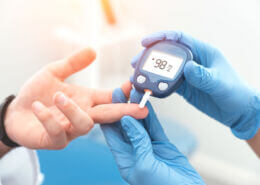 Shutter StockCan I be an Airline Pilot if I have Diabetes?
 ShutterstockHow to Become an Airline Pilot
 Shutter StockCommon Questions About Becoming an Airline Pilot
 How to Write an Airline Pilot CV: Complete Guide
 Shutter StockAirline Pilot Interview Questions & Answers
 Airline Pilot Line Training: How to Prepare and Succeed